Innovation, Integration, and Strengthening the Systems Behind Compliance

By the time we reach May, many organizations have a clearer sense of how the year is unfolding—what’s working smoothly, where bottlenecks are forming, and which processes could benefit from better structure or support. This makes spring an ideal moment to look at the systems behind your operations, especially those that connect people, data, and workflow across multiple departments.

At Lee Trans, much of our work in Special Projects centers on building and refining the internal and external systems that keep information moving efficiently and securely. Strong processes aren’t just nice to have; they are what allow carriers to stay confident in their compliance, avoid delays, and reduce the friction that comes from manual work or outdated communication loops.

One area where we continue to make significant progress is the development and improvement of API connections with our industry third party providers. These integrations allow key data—such as MVRs, PSPs, background checks, drug and alcohol testing updates, and licensing information—to flow into our systems more quickly and accurately. When information arrives in real time, it reduces the lag that can lead to onboarding delays or inconsistencies in driver files.

Internally, we are focused on streamlining process flows that impact every stage of the compliance lifecycle. From onboarding to renewals to record maintenance, our goal is to create systems that are intuitive, consistent, and designed to support the way carriers actually work. The more predictable and interconnected these processes are, the easier it becomes for teams to stay organized and audit-ready throughout the year.

We’re also continuing to explore new tools and development projects that will enhance the way information is managed across departments. Innovation doesn’t always mean large, sweeping changes—sometimes the most meaningful improvements come from removing small points of friction, building better visibility, or reducing duplication of effort. These are the quiet efficiencies that keep carriers moving forward.

As we move into the summer months, our team will remain focused on building structures that support accuracy, communication, and long-term scalability. The work may happen behind the scenes, but the benefit touches every carrier we serve.

Wishing you a productive and steady start to the middle of the year.

Justin Sowell

Director, Special Projects

Flag Day

Today we celebrate Flag Day – the annual reminder of our grand old’s history, significance and heritage.

Today is also a good time to retire those flags that have become tattered. The National Flag Foundation has partnered with the National Sheriff’s Association and National Association of Counties to facilitate a flag disposal program, which ensures proper etiquette is followed and community partners like the Boy Scouts, Veterans groups and Sheriff’s departments collect and carry out retirement ceremonies. Read more at https://nationalflagfoundation.org/program-gives-american-flags-respectful-retirement/.

June Anniversaries

Please join us in celebrating some of our employee milestones this month! Thank you all for your dedication to service and commitment to excellence. We are proud to have you on the team!

#employeehighlights

National Safety Month

Today kicks of National Safety Month; starting with FMCSA’s ‘Our Roads, Our Safety Week’. Be on the lookout as they highlight safe driving practices for CMVs, operating guidance for fleets and ways our community can ensure safety on and off the road. From FMCSA: “Our Roads, Our Safety Week is a reminder that safety isn’t a passive condition, but rather a set of daily decisions.”

Learn more at https://fmcsa.medium.com/this-june-road-safety-is-everyones-job-71c9d227039d.

#OurRoadsOurSafetyWeek

Earlier this month we had the honor of sponsoring a hole at the Pineywoods Transportation Club’s 54th Annual Golf Tournament Scholarship Fundraiser. Team members from our IT and Consulting groups hit the greens in support, including Director of IT; Chase Bozeman, Network Administrator; Tyler Cockrell and DOT Consultant; Xavier Richard, Esq.

PTC is an educational nonprofit organization focused on providing resources and support related to transportation education in the Pineywoods region. Lee Trans is proud to support this organization and their continue efforts to highlight the next generation of our industry!

Learn with Lee Trans

How to determine if you’re DOT Regulated

The US Department of Transportation is as simple and complex as any other federal agency.

In simple terms – if something or someone is being transported – it likely is regulated by the DOT. That includes those that specialize in transportation but also companies that are not for hire but transport as part of their daily operations. According to DOT, it’s when the use ‘furthers commerce’, ie, the travel is business related.

To be more specific (or more complex) that travel can fall under multiple agencies under the great umbrella of DOT. There are currently eleven sub-agencies operating within USDOT; all managing a specific mode of transportation or oversight of safety.  Each oversee specific transportation modes and can overlap depending on their specific area of focus. The primary transportation modes defined under USDOT include Aviation, Maritime, Pipelines, Railroads, Roadway and Transit. Essentially if it moves, DOT oversees it.

To further muddy the waters, each of these agencies have specific guidelines and regulatory requirements that sometimes overlap, and companies, cargo or operators can be subject to multiple agencies requirements at once.

For companies unsure if they’re subject to Motor Carrier regulations, FMCSA has a helpful tool that identifies exposure to the regulations. If the company’s operations include travel across state lines (Interstate), the CSA Motor Carrier Safety Planner provides an online guide to helping CMV companies comply with those regulations.

If a company determines they are operating in an Intrastate capacity (not crossing state lines) then they have to look towards the State specific regulatory requirements to determine if the State of their operation requires a USDOT number, or has State-specific definitions of CMV (Commercial Motor Vehicle) operations.  For some states this is called a State Transportation Code.

Unfortunately there is no Federal database that includes all State-specific regulations, exposure or licensure requirements for those impacted companies.  Further adding to the difficulty of staying compliant is that States add or update State Regulatory Requirements on an inconsistent basis, and all have differing requirements on how to report how it may or may not impact companies within their borders. The nuances between Inter and Intra state operations, the State specific regulatory requirements and the multiple agency exposure under the umbrella of DOT all lead to the same repetitive question – what are companies are subject to?

The answer is different for every company. How they operate, where they travel, who or what they haul, and whether there is a direct or indirect payment for that transport all have an impact on how to the answer to that question. At Lee Trans we work with companies reviewing potential exposure by conducting Mock Audits, Operational Reviews and when necessary Due Diligence Checks to ensure our clients know the exact exposure they’re facing and have a gameplan on how to ensure compliance is met from day one.

We see daily how ‘Hidden Fleets’ learn they’re not compliant with Federal requirements after disaster strikes. Or how smaller carriers realize their exposure after they change their operations as they grow. Companies managing their regulatory exposure in-house are tasked with understanding the ins and outs of an agency that has undergone significant changes in the last decade and are posed to propose several new rules in the coming years. I recommend registering for email updates of the Federal Register, to watch for proposed rulemaking, final rules and notices.

In short – there is no clear yes/no answer for companies looking to see if they’re regulated under DOT. A review of their operations is needed, an audit of travel expectations and a cross-audit of the many sub-agencies is warranted to truly understand exposure. Lee Trans works diligently to help Motor Carriers navigate these regulations, implement successful safety programs, and provide the tools and resources necessary to ensure compliance. Contact us at 1-888-569-1675 for assistance.

Full Link Details:

https://www.transportation.gov/research-and-technology/research-mode-transportation

https://www.federalregister.gov/agencies/transportation-department

https://www.transportation.gov/odapc/part40QA/40-3

https://www.fmcsa.dot.gov/usdot-wizard

https://csa.fmcsa.dot.gov/safetyplanner/

https://www.fmcsa.dot.gov/regulations/federal-register-documents?title=&type%5B%5D=PRORULE&topics=All&abstract=All

https://public.govdelivery.com/accounts/USGPOOFR/subscriber/new?preferences=true#tab1


MOTUS Rollout Issues

FMCSA MOTUS Rollout Challenges Update


Earlier this month, the Federal Motor Carrier Safety Administration (FMCSA) officially launched Motus; its new USDOT Registration System designed to modernize carrier registration and oversight. According to FMCSA the platform is intended to “strengthen oversight, reduce fraud, improve efficiency, and better serve America’s trucking industry” by replacing a patchwork of legacy systems with a centralized registration platform.

The goals behind the rollout are significant. FMCSA Administrator Derek D. Barrs described the legacy system as fragmented and vulnerable to fraud, noting that multiple disconnected applications created blind spots that allowed unsafe or fraudulent operators to evade oversight. FMCSA has stated that several thousand suspicious registration numbers were linked to potentially fraudulent carriers under the previous system.   However, as with many large-scale technology transitions, early adoption has not come without challenges.

Industry organizations and carriers have reported system strain during the initial rollout, including difficulties claiming USDOT numbers, account access concerns, and registration visibility issues. Supporting companies and c/TPAs are also navigating the transition away from FMCSA Portal registration functions and the need to reconnect and reauthorize access for individual authorities. FMCSA had previously announced that registration activity would transition away from legacy portal functionality as Motus launched.

Some issues have been more frustrating than operationally significant; and even occasionally humorous. One Lee Trans user encountered facial recognition verification trouble after a few days of facial hair apparently no longer matched last year’s freshly shaven driver’s license photo. But for new carriers establishing authority or smaller operators without third-party support, delays and access complications can have a direct operational impact.   At the time of this printing, c/TPAs are unable to submit MCS-150 filings for new carriers, supplements or biennial updates.  We are monitoring closely and working with FMCSA to resolve access issues.

FMCSA has emphasized that Motus represents a long-term modernization effort and will continue evolving through future phases and system enhancements. In the meantime, carriers experiencing registration difficulties can contact FMCSA support through live chat Monday–Friday from 8:00 a.m.–8:00 p.m. EDT, by phone at 1-800-569-1675, or through registration support channels listed on FMCSA’s website.

As with any major systems overhaul, the transportation industry may experience some short-term growing pains, but stakeholders across the industry will be watching closely to see whether the long-term promise of reduced fraud and streamlined registration delivers on expectations.

From our President; Jackie Polk, CTP:

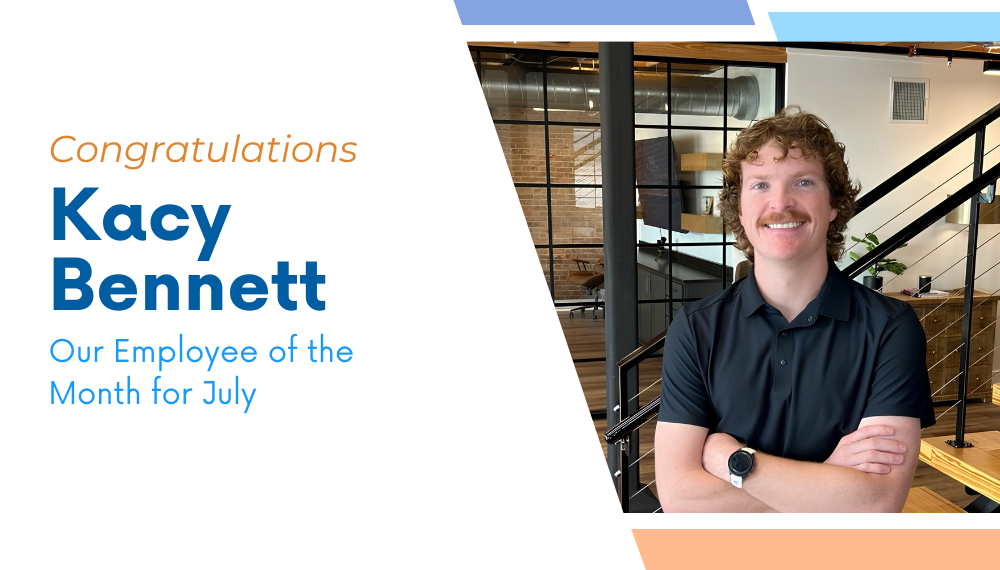
Please join me in congratulating our well-deserving Employee of the Month, Laureen Voirol. Recognized not only by our team but by her clients, who took the time to personally share their appreciation for her responsiveness and the exceptional service she provides. With 7½ years in a client service role, Laureen consistently demonstrates professionalism, attentiveness, and an ability to think quickly and effectively in any situation. Laureen also brings a genuine sense of care to those around her—her faith is evident in the way she supports others, often offering prayer and encouragement. We are grateful for the positive impact she continues to make on both our clients and our team.

Second-Quarter Reminders and Preparing for HVUT / 2290 Filing Season

As we move into May, many carriers begin shifting attention toward mid-year filings and renewal preparations. One of the most important items during this period is ensuring the Heavy Vehicle Use Tax (HVUT) — Form 2290 — will be filed accurately and on time in the months ahead.

For fleets operating vehicles 55,000 pounds and above, HVUT obligations are annual and often become especially relevant mid-year. The filing window opens this month, and closes June 30th.  Now is the ideal time to begin gathering necessary information and reviewing your fleet composition. Early preparation helps avoid processing delays, errors, or issues acquiring your stamped Schedule 1 when registrations and renewals come due.

Our Licensing & Permitting Specialists are already preparing for this filing season. They are reviewing unit lists, confirming weight classifications, and tracking prior-year filings to ensure that every carrier’s submission is complete, accurate, and aligned with IRS requirements. This proactive work helps ensure a smooth, organized, and compliant filing process when the time arrives.

Nearing a mid-point in the year, it’s also a good opportunity for carriers to review any changes to equipment, fleet makeup, or operations that may impact your 2290 filing. Confirming current asset data now helps ensure that the upcoming submission reflects your most up-to-date operations — reducing risk and avoiding surprises later.

As always, our team is focused on maintaining harmony between regulatory demands and operational realities. Through careful planning, organized workflows, and attention to detail, we continue to provide dependable support so carriers can focus on what matters most: safe, efficient operations.

Wishing you a steady, and productive start to summer,

Crystal Chaviers

Client Services Supervisor

Memorial Day

Today we pause to honor and remember the brave men and women who made the ultimate sacrifice in service to our country.

Memorial Day serves as a reminder that freedom carries a cost, and behind every flag flown and gathering shared are individuals and families whose sacrifices helped shape the communities we live and work in today.

As many spend time with family and friends this holiday weekend, we encourage everyone traveling to do so safely and take a moment to reflect on the spirit of service, dedication, and selflessness that this day represents.

From all of us at Lee Trans, we extend our gratitude and remembrance to those who gave everything in service to our nation.