| Earlier this month we were honored to host two local teachers as part of the Workforce Solutions of East Texas Teacher Externship program. Sponsored by the Texas Workforce Commission, this program is bringing real-world examples into classroom instruction. Big thanks to Phyllis Ortiz of Corrigan-Camden Middle School and Mario Sanchez of Huntington High School for participating in this year’s program! |
Author: Mallory Kennedy
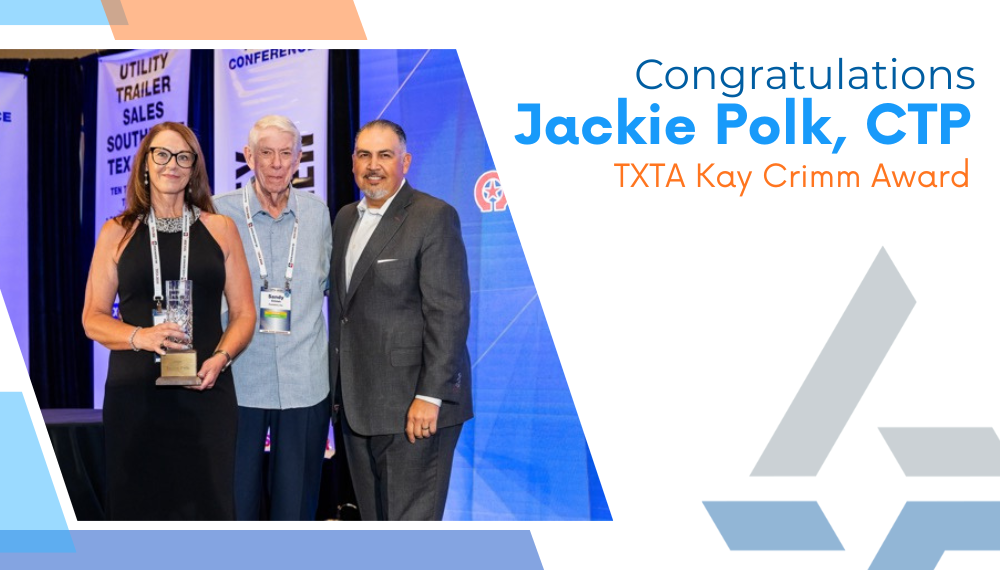
From our President; Jackie Polk, CTP:
While Kacy is the newest member of our Software Development team, he isn’t new to Lee Trans. He previously spent nearly four years in our Fuel Tax department while earning his degree and we are excited to have him in this new role. He is already making an impact, impressing us with his coding skills as he develops a new tool to streamline the administration of our fuel tax accounts. Beyond his technical abilities, Kacy is always full of energy, friendly, hardworking, dependable, and willing to help wherever needed. Congratulations, Kacy, we are fortunate to have you on our team and look forward to seeing all you accomplish!
Hidden Fleet Spotlight: Hospitality & Shuttle Transportation
More Than a Ride—Understanding the Compliance Responsibilities Behind Guest Transportation
When guests choose a hotel, resort, or hospitality property, they are often looking for more than just a place to sleep. Amenities such as a spa, room service, fitness center, and airport shuttle can transform a stay from ordinary to exceptional. For many properties, transportation is simply another way to provide convenience and improve the guest experience.
But unlike many other amenities, operating a shuttle or transportation service comes with additional safety considerations. Whether transporting guests to and from an airport, moving visitors between property locations, or providing employee transportation, hospitality operations may take on responsibilities that extend beyond customer service. A vehicle used as a guest amenity may also be part of a regulated transportation operation—bringing with it requirements related to drivers, vehicles, documentation, and ongoing compliance.
Hospitality Fleets Are More Than Passenger Transportation
A hotel shuttle may appear to only move people from Point A to Point B, but the operation often involves more than passengers. Consider the cargo moving alongside those guests:
- Luggage arriving from another state
- Bags belonging to international travelers
- Equipment or supplies transported between locations
- Items delivered for conferences, events, or group functions
When vehicles are involved in interstate commerce, the transportation of property—even personal property such as passenger luggage—can impact how an operation is viewed under federal transportation regulations. The question is not simply, “Are we transporting passengers?” The question is also, “What are we transporting, where are we transporting it, and what regulations apply to our operation?”
Your Shuttle May Be a Commercial Motor Vehicle
Many hospitality businesses do not consider themselves transportation companies. They are hotels, resorts, or event facilities that happen to operate vehicles. However, depending on the vehicle type, passenger capacity, operating location, and how the vehicle is used, those vehicles may fall under commercial motor vehicle regulations.
The Hidden Complexity of Employee and Guest Transportation
Hospitality operations often have unique challenges because transportation is only one part of their business. The driver may also be a hotel employee, front desk associate, maintenance team member, or seasonal worker who occasionally operates a shuttle. This creates important compliance questions:
- Has the driver been properly qualified before operating the vehicle?
- Are required records maintained and accessible?
- Are drug and alcohol testing requirements applicable?
- Are drivers trained based on the vehicle and operation they support?
- Are maintenance inspections documented?
Transportation responsibilities do not disappear simply because moving guests is not the primary purpose of the business.
Compliance Extends Beyond FMCSA
FMCSA is only one piece of the puzzle. Hospitality transportation operations may also need to consider state-specific requirements, local permitting, insurance obligations, and other regulations based on the vehicle, location, and services provided.
Is Your Hospitality Operation Part of the Hidden Fleet?
The first step in compliance is recognizing that you operate a transportation function. Whether you operate airport shuttles, resort transportation, employee transport vehicles, or event-related passenger services, understanding your responsibilities helps protect your guests, your employees, and your business.
At Lee Trans, we help organizations identify hidden transportation risks and build compliance programs designed around how they actually operate. From Driver Qualification Files and Drug & Alcohol Programs to consulting, audits, and ongoing regulatory support, our team helps businesses reduce risk and maintain consistent compliance.
Because every fleet is different—and some fleets are hidden in plain sight.
It’s Christmas in July for this truck, which is perfect for the silly holiday of Ugly Truck Day! This quirky holiday honors ‘the beat-up, rusted and ‘wonderfully unkempt working trucks across the country’.
Next week though, there’ll be plenty of pretty trucks at the Texas Trucking Show at NRG Center. Connecting carriers, suppliers and industry professionals under one roof , and celebrating the drivers, fleets and companies that keep America moving. Learn more at www.trucking.show
| This month we’re honored to spotlight our affiliate partner Samba Safety!
“For more than 25 years, organizations have relied on us to help them identify, address and reduce driver risk, protecting their people, communities and bottom line. Shared goals for safety make for strong partnerships, and we are honored to offer Samba’s fleet of services as part of our compliance programs, integration features and automated monitoring! |
| From our President; Jackie Polk, CTP:
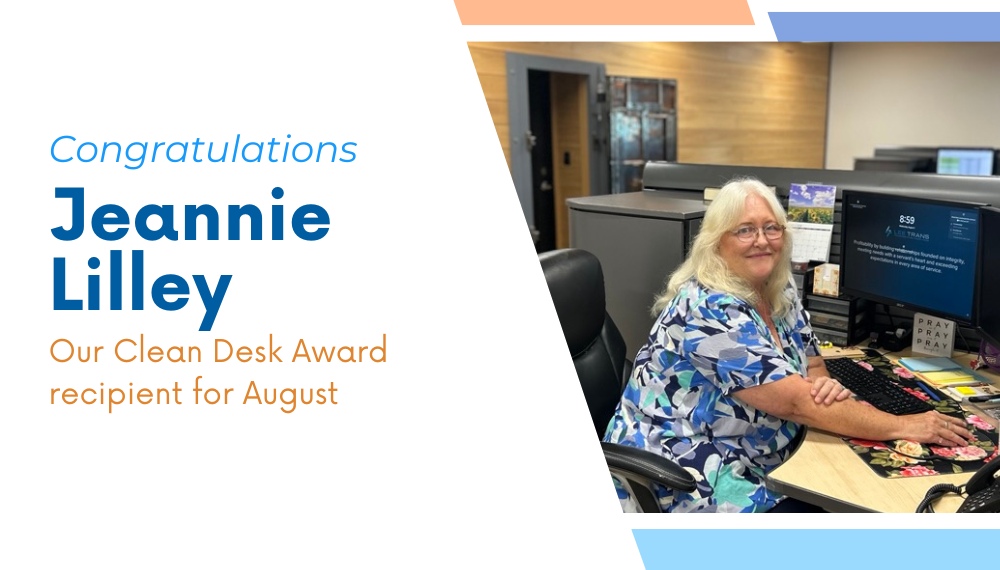
If you’ve ever walked by Delia’s desk, you’ve probably noticed her fingers flying as she keeps her client’s documents and data moving in our system. Her workspace is always neat and organized, reflecting the same care and attention to detail she brings to her work every day. Delia works hard to ensure everything she handles is accurate and complete with great dedication to her clients and team. Thank you, Delia, for the pride you take in your work and for helping us provide the exceptional service our clients expect. Congratulations! |
Operational Clarity, Asset Management, and Strengthening the Second Half of the Year
As we reach the midpoint of the year, it’s a natural moment to take a step back and evaluate how our operational goals are aligning with the needs of the carriers we support. The first half of 2026 has moved quickly, and many organizations are already refining workflows, pacing their compliance tasks, and preparing for the demands of the second half of the year. In Operations, this is where our focus is strongest: creating clarity, reducing inefficiencies, and ensuring the systems you rely on remain dependable and predictable.
A key part of that stability comes from how fleets track, monitor, and maintain their assets. This is why our Asset Management services through fleetkeep have continued to play such an important role for carriers this year. Effective asset tracking isn’t just about keeping records—it’s about ensuring that every unit in a fleet has the documentation, inspection history, and renewal timelines needed to stay compliant and road-ready.
Through fleetkeep, our team helps carriers maintain visibility over their equipment in a way that is accurate, organized, and easy to follow. Whether it’s monitoring upcoming expirations, tracking inspection schedules, or ensuring documentation is available and audit-ready, the goal is to eliminate the guesswork that often leads to missed deadlines or preventable violations. When assets are managed well, the entire operation runs more smoothly.
Internally, our Operations team has spent the first half of the year refining processes that support those services. We’ve continued to focus on communication flow, clarity in expectations, and ensuring each department has the structure needed to support clients consistently. These improvements may not always be visible from the outside, but they are foundational to providing the level of service and reliability our clients expect.
As we look ahead to the remainder of the year, our priorities remain simple: strengthen the systems that work, remove friction where it appears, and continue supporting carriers in ways that keep their operations confident and compliant. The work your CSR and our operations staff do behind the scenes is intentional, and we’re committed to carrying that same momentum into the second half of 2026.
Wishing you a safe, steady, and productive continuation of the year.
Brandon White
Director, Operations
Yesterday kicked off Operation Safe Driver Week with the CVSA! This year’s focus is preventing unsafe driving behaviors.
From CVSA: The goal of this weeklong safe-driving enforcement and outreach initiative is to improve drivers’ behaviors through education, traffic-enforcement strategies and driver interactions with law enforcement. Driver-related behaviors are largely preventable; therefore, addressing these behaviors is one of the most effective ways to reduce injuries, save lives and improve overall road safety.
Read more at cvsa.org/news/2026-osd-week/
Learn with Lee Trans
Owner Operators: Independence Doesn’t Mean Exemption
Independence has its rewards. For many drivers, becoming an owner operator represents the freedom to run a business on their own terms. But when it comes to DOT compliance, independence doesn’t mean exemption. Many of the same federal safety regulations that apply to large motor carriers also apply to a fleet of one, making it essential for owner operators to understand not only how to operate safely, but also how to maintain the records and programs required by the Federal Motor Carrier Safety Administration (FMCSA).
You’re Not Just the Driver—You’re the Motor Carrier
Becoming an owner operator means wearing many hats. Beyond driving safely, you’re responsible for maintaining required documentation, monitoring deadlines, understanding regulatory changes, and ensuring your operation remains compliant year after year. If you operate a commercial motor vehicle in interstate commerce that meets the definition outlined in 49 CFR §390.5, you’re responsible for understanding and complying with the regulations that govern your operation. While you may not have a safety department or compliance manager behind the scenes, the Federal Motor Carrier Safety Administration (FMCSA) still considers you responsible for maintaining the records, programs, and documentation required of a motor carrier.
Many owner operators spend years developing their driving skills before starting a business of their own. What often comes as a surprise is that operating a regulated motor carrier involves just as much work behind the wheel as it does behind the desk. Without organized systems and processes, administrative responsibilities can quickly become overwhelming. The challenge is that compliance responsibilities do not always arrive at convenient times. Annual reviews, expiration dates, renewals, and testing requirements continue regardless of whether you are hauling a load, managing customers, or maintaining equipment.
Driver Qualification Doesn’t Stop with One Driver
One area that often causes confusion is Driver Qualification. Even if you are both the owner and the driver, the requirements of 49 CFR Part 391 generally still apply. That includes maintaining a compliant Driver Qualification File containing items such as your driver’s application, medical certification, motor vehicle records, and annual certification of driving record. It’s easy to assume these requirements are intended for larger fleets, but during an audit, an owner operator may still be asked to produce the same documentation as any other regulated carrier. If you operate under your own authority, you are responsible for maintaining your own records.
Drug & Alcohol Programs: You Can’t Randomly Select Yourself
For CDL owner operators performing safety-sensitive functions, 49 CFR Part 382 introduces another commonly misunderstood requirement. While owner operators are responsible for complying with FMCSA’s Drug and Alcohol Testing Program, they cannot conduct their own random testing selections. Under 49 CFR §382.305, CDL owner operators must participate in a compliant random testing consortium or Consortium/Third-Party Administrator (C/TPA). Maintaining consortium enrollment, completing required testing, completing required Clearinghouse queries, and retaining supporting documentation are all important parts of remaining compliant.
Hours of Service: The Rules Still Apply When You Own the Truck
Whether you own the truck, lease to another carrier, operate under your own authority, or contract your services, Hours of Service (HOS) requirements under 49 CFR Part 395 may apply to your operation. Owner operators must understand when Electronic Logging Device (ELD) requirements apply, when a short-haul exception may be available, and what documentation is required to support an exemption. These exceptions are not automatic—they require specific operating conditions and recordkeeping practices to remain valid.
As both the driver and the motor carrier, owner operators carry the responsibility of ensuring their logs are accurate, their records are maintained, and their operation remains within regulatory limits. HOS compliance is not just about avoiding violations; it is about protecting yourself, your business, and everyone sharing the road.
Running the Business Behind the Wheel
Compliance extends far beyond qualification and maintenance. Depending on how your business operates, you may also be responsible for maintaining operating authority, Unified Carrier Registration (UCR), International Registration Plan (IRP) credentials, International Fuel Tax Agreement (IFTA) reporting, vehicle titling and registration, insurance filings, and other federal or state reporting requirements. The programs that apply depend on several factors, including:
- Whether you operate interstate or intrastate
- Vehicle weight and configuration
- The commodities you transport
- Whether hazardous materials are involved
- The states in which you operate
As your operation changes, so can your compliance responsibilities.
Compliance Extends Beyond FMCSA
Although FMCSA regulations receive the most attention, they represent only one part of the transportation compliance landscape. Owner operators hauling hazardous materials may also fall under the jurisdiction of the Pipeline and Hazardous Materials Safety Administration (PHMSA). The Hazardous Materials Regulations (49 CFR Parts 171–180) establish requirements for shipping papers, packaging, marking and labeling, employee training, security plans, registration, and emergency response information.
State requirements may also apply, including registration programs, permits, inspections, and operational requirements that vary by location and type of operation. Because transportation requirements are spread across federal agencies, state agencies, and industry-specific programs, staying compliant requires ongoing monitoring and understanding how multiple requirements interact.
Audit Readiness Isn’t Just for Large Fleets
One of the biggest misconceptions among owner operators is the belief that small carriers are unlikely to be audited. In reality, FMCSA compliance reviews, New Entrant Safety Audits, investigations, and post-crash reviews can involve carriers of any size. During these reviews, regulators evaluate whether required records have been maintained—not whether the carrier has one truck or one hundred. Maintaining organized documentation throughout the year makes responding to an audit significantly easier than trying to recreate records after the fact.
Every fleet is different, and so are its compliance responsibilities. That’s why each month, our Learn with Lee Trans series takes a closer look at the regulations, programs, and best practices that help carriers operate with confidence. If there’s a compliance topic you’d like us to cover in a future edition, we’d love to hear from you! In the meantime, if you have questions about your operation or need assistance with any of our compliance services, visit leetrans.com or contact our team. We’re here to help.
Please join us in celebrating some of our employee milestones this month! Thank you all for your dedication to service and commitment to excellence. We are proud to have you on the team!
#employeehighlights