

Please join us in celebrating some of our employee milestones this month! Thank you all for your dedication to service and commitment to excellence. We are proud to have you on the team!
Author: Bethany Hobbs
Local roots. Nationwide reach.
Strong partnerships help us provide better service to carriers wherever the road takes them.
We’re proud to work alongside East Texas Drug Testing, a trusted local resource that helps us serve our clients here in East Texas while supporting the needs of carriers operating across the country.
For Lee Trans, being locally rooted doesn’t mean thinking locally. Our relationships throughout the transportation industry allow us to connect carriers with the resources they need, whether they’re operating in our own backyard or across the nation.
We’re grateful to East Texas Drug Testing for being a valued part of that network and for continuing to help us serve carriers with the responsiveness and personal service our clients have come to expect.
From East Texas to coast to coast, we’re here to help keep your operation moving.
#PartnerSpotlight #EastTexas #DrugTesting #Transportation #LeeTrans

Learn with Lee Trans
Fuel Cards: The Discount at the Pump Isn’t the Only Bonus
When most people think about a fuel card, the first thing that comes to mind is probably the price at the pump. Fuel discounts can certainly add up, especially for fleets that put significant miles on the road, but the value of a well-managed fuel card program can go much further than saving a few cents per gallon. For carriers, fuel purchases can provide a valuable source of operational data; information that can support everything from fuel tax reporting to audit preparation and loss prevention.
Fuel Purchases Tell a Story
Every fuel purchase creates a record.
- Where was fuel purchased?
- When was it purchased?
- How many gallons were purchased?
- What vehicle or driver made the purchase?
- What was the odometer reading?
When that information is captured consistently, fuel transactions become more than receipts. They become historical data that can help a carrier understand how its fleet is operating and provide documentation when questions arise later.
Fuel Data and IFTA
For carriers subject to the International Fuel Tax Agreement (IFTA), fuel purchase records are an important part of maintaining the information needed for fuel tax reporting. IFTA requires qualified motor carriers to track fuel purchased and miles traveled by jurisdiction. Centralizing fuel transaction data can make that process considerably easier than trying to reconstruct purchases from individual receipts. A fuel card program can help organize that information, but carriers still need to ensure their records capture and retain the information required for their IFTA reporting. The goal isn’t simply to have a fuel card. It’s to have reliable data behind every gallon.
Digital Audit Preparation
When an audit, review or reconciliation requires historical fuel records, having that information available electronically can save significant time. Instead of searching through individual receipts or attempting to reconstruct past transactions, a centralized digital record can provide a historical view of fuel purchases. That information can also be reviewed alongside other operational records when questions arise about mileage, vehicles, routes or fuel usage. Good recordkeeping doesn’t just help a carrier meet a requirement – it makes the information easier to find when it matters.
Another Tool for Loss Prevention
Fuel is a significant operating expense for many fleets, which makes it an area where small discrepancies can add up quickly. Fuel card controls and transaction data can help fleet managers identify unusual purchasing patterns, such as transactions that don’t align with a vehicle’s location, fuel capacity, expected frequency or other established parameters.
That doesn’t necessarily mean every unusual transaction represents misuse. It may identify an error, an operational issue or simply something worth a closer look. The value is in having enough information to see the exception and investigate it.
Put Your Fuel Data to Work
A fuel card can provide more visibility into an operation than many fleet managers realize. Consider whether your current fuel program allows you to easily answer questions such as:
- Are fuel purchases properly documented for IFTA purposes?
- Can historical transactions be quickly retrieved?
- Can fuel purchases be compared with mileage, routes and vehicle assignments?
- Are unusual transactions easy to identify?
- Are your records organized in a way that supports an audit or internal review?
If those answers aren’t readily available, the issue may not be the amount of data you’re collecting; it may be how you’re using it.
The Learn with Lee Trans Takeaway
The discount may be what gets your attention, but the data may be what saves you time, money and headaches down the road. A well-managed fuel card program can provide more than savings at the pump. It can create a reliable source of information that supports IFTA reporting, historical recordkeeping, digital audit preparation, operational oversight and loss prevention. At Lee Trans, we believe compliance works best when it is integrated into the way a carrier already operates. When the information you’re already collecting can help you better understand your fleet and prepare for what comes next, you’re not just keeping records—you’re putting them to work. Because good data isn’t just something you keep. It’s something you use.
Learn with Lee Trans
At Lee Trans, we help carriers make the most of the information already being generated within their operation. From fuel card data and IFTA reporting to historical recordkeeping, audit preparation, and loss prevention, our team can help clients understand how these resources support both compliance and day-to-day fleet management.
Every fleet is different, and so are its compliance responsibilities. That’s why each month, our Learn with Lee Trans series explores the regulations, programs, and best practices that help carriers operate with confidence. If there’s a topic you’d like us to cover in a future edition, we’d love to hear from you.

Keeping Fuel Tax Compliance on Track as We Enter the Final Quarter
As September arrives and we turn the corner into the final stretch of the year, many carriers begin tightening up their administrative processes to ensure a smooth close to Q3. One of the most important areas to stay ahead on — and one that can quickly become overwhelming without the right structure — is fuel tax reporting and mileage-based accounts.
Our team specializes in helping carriers maintain accuracy and consistency in all aspects of fuel tax compliance, including:
- IFTA fuel tax preparation and filings
- Jurisdictional mileage accounts and highway use fee programs
- Trip-level data review for accuracy and completeness
- Account maintenance and verification to prevent late fees or penalties
With multiple states increasing enforcement efforts and technology systems continuing to evolve, a disciplined approach to data collection has never been more important. Ensuring that GPS, ELD data, fuel receipts, and trip reports are aligned not only supports accurate filings but also helps avoid the downstream challenges that arise when quarterly deadlines approach.
September offers an excellent moment to review your mileage records, confirm your accounts are current, and address any discrepancies before Q4 activities add additional workload. A strong process now can make year-end reporting far more manageable.
Across the industry, fuel tax compliance remains one of the most detail-heavy operational tasks carriers face. Our Vehicle Services team is committed to providing clarity, structure, and steady support, ensuring each carrier has the tools and oversight needed to stay compliant and avoid costly missteps.
Wishing you a smooth and well-organized start to the fall season.
Lanell Davis
Vehicle Services Supervisor
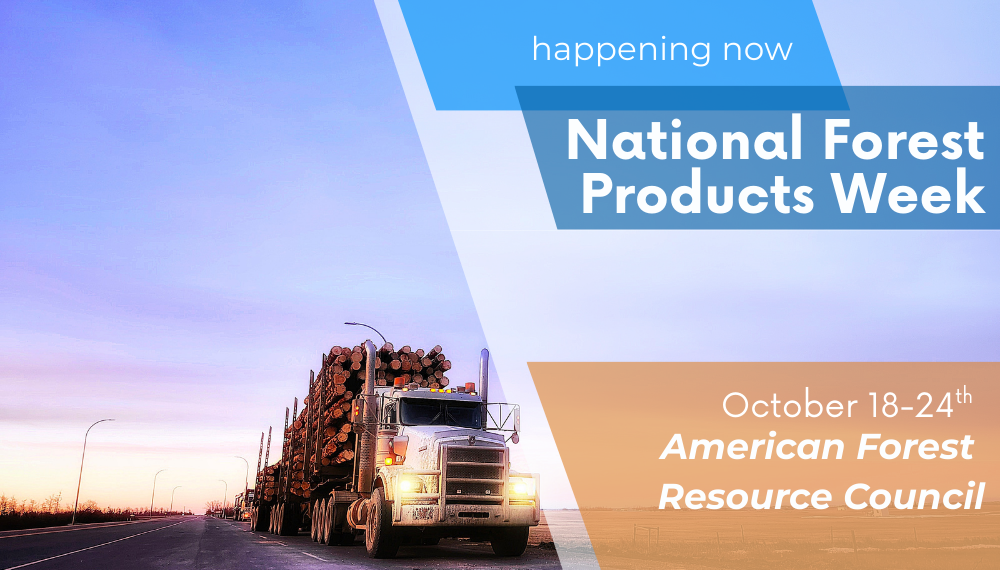
From the forest to the road, there’s a lot more behind the load.
National Forest Products Week recognizes the importance of the forest products industry and the people who help move those products from the woods to communities across the country.
From timber and lumber to paper and other essential products, these supply chains rely on specialized equipment, careful planning, and safe transportation practices.
It’s another reminder that not every fleet looks like a traditional trucking operation but transportation is often at the heart of what keeps an industry moving.
At Lee Trans, we’re proud to support the diverse fleets that keep America working.
NationalForestProductsWeek #Forestry #Transportation #FleetSafety #LeeTrans

The road doesn’t move itself.
This National Truck Driver Appreciation Week, we’re recognizing the professional drivers who keep our supply chains moving, our communities supplied, and our economy on the road.
Behind every delivery is a driver carrying more than a load — they’re carrying the responsibility of sharing the road safely with all of us.
At Lee Trans, we’re grateful for the dedication, professionalism, and commitment to safety that drivers bring to the transportation industry every day.
To all the professional drivers out there: thank you for keeping America moving.
#NTDAW #TruckDriverAppreciationWeek #LeeTrans #TransportationSafety